Challenging Environment
Challenging Environment
Enormous sums of investments are put into pharmaceutical Research and Development (R&D). As shown in Figure 1, budgets in this area have been increasing, however, the number of new medicines per year has decreased over the last decades and has only recently started to even out. In addition, the rate of failure of investigational medicines (‘attrition rate’) over the long development period of new medicines is still very high.
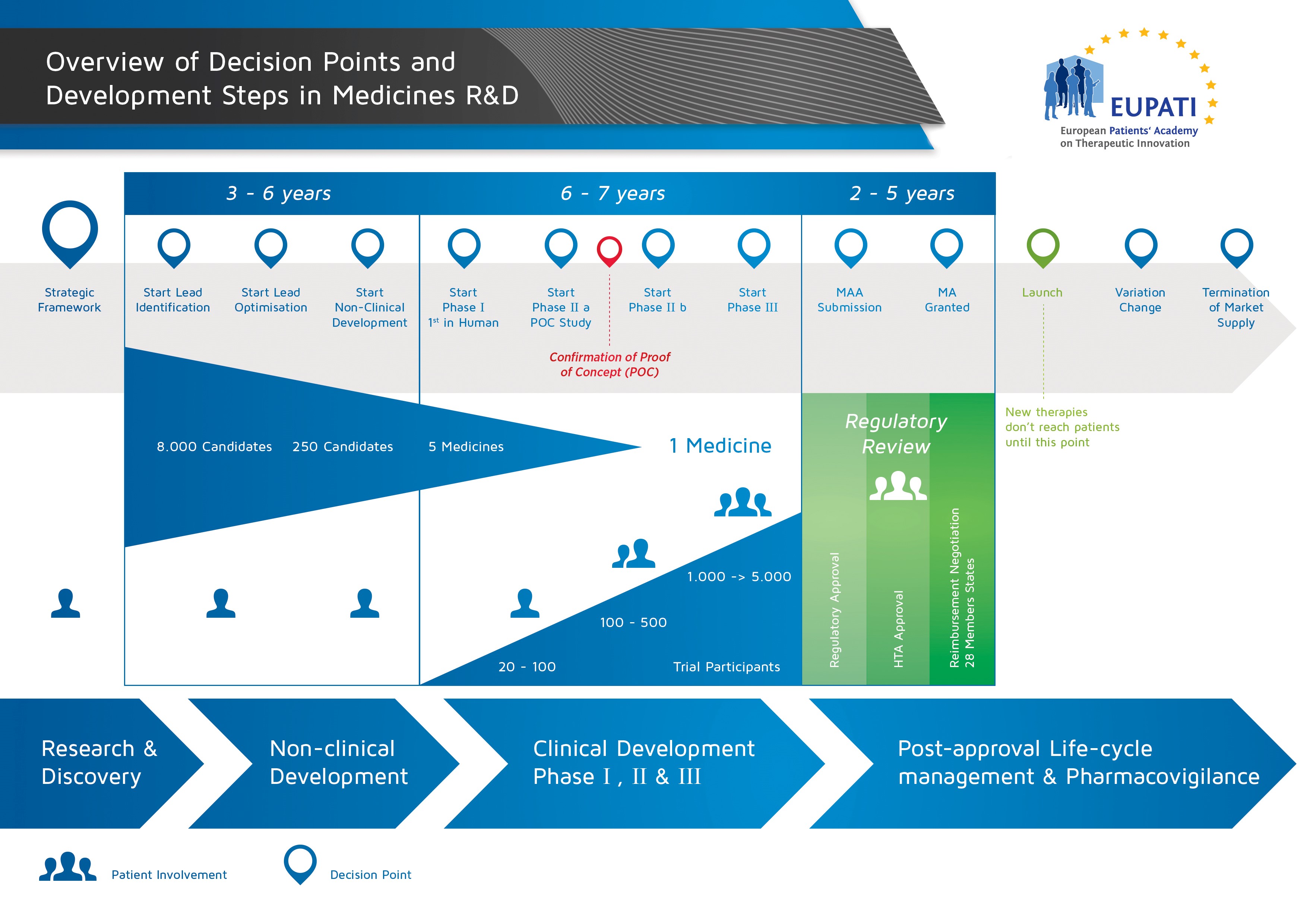
Figure 1: The development of novel medicines is a complex, lengthy and costly process.
Among the reasons for this are:
- Limited knowledge about the ‘molecular basis’ of many diseases, i.e. how they affect the body at the level of the cells
- Missing or insufficiently validated (confirmed) predictive tools for medicine safety and efficacy . This delays the correct selection of patients for the right treatment at the right point of time (‘stratification’).
Despite the vast investment of pharmaceutical companies, no institution is able to deal with these challenges alone.
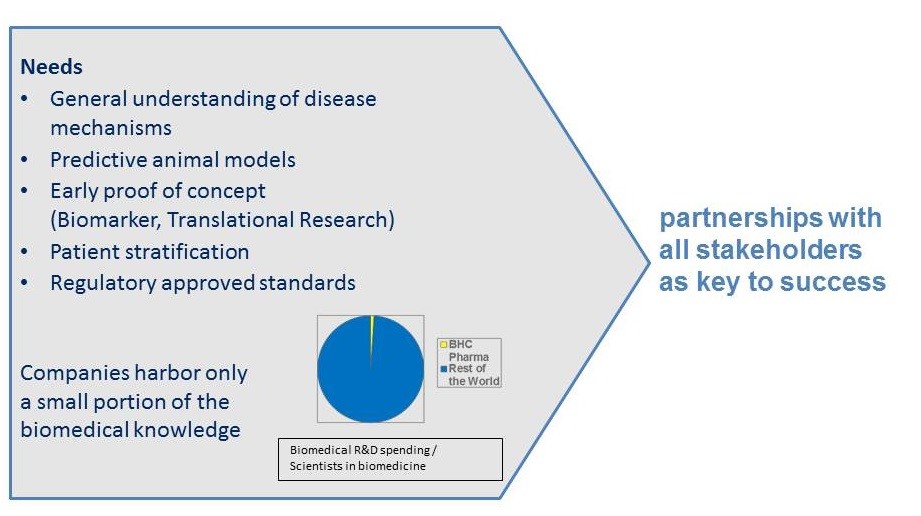
Figure 2: Addressing the scientific challenges.
At the same time, the overall healthcare environment has also become more and more challenging. In non-clinical phases, there is need for more research to understand the basis of disease mechanisms, as well as better models for animal research. In the subsequent clinical studies, attention has to be paid to demonstrate that a certain molecule has the potential to be used (proof of concept), to have a better patient identification and selection (patient stratification), and to follow the standards set by the Regulatory Authorities. The participation of all the interested stakeholders in the process of developing novel medicines is crucial to accomplish this process.
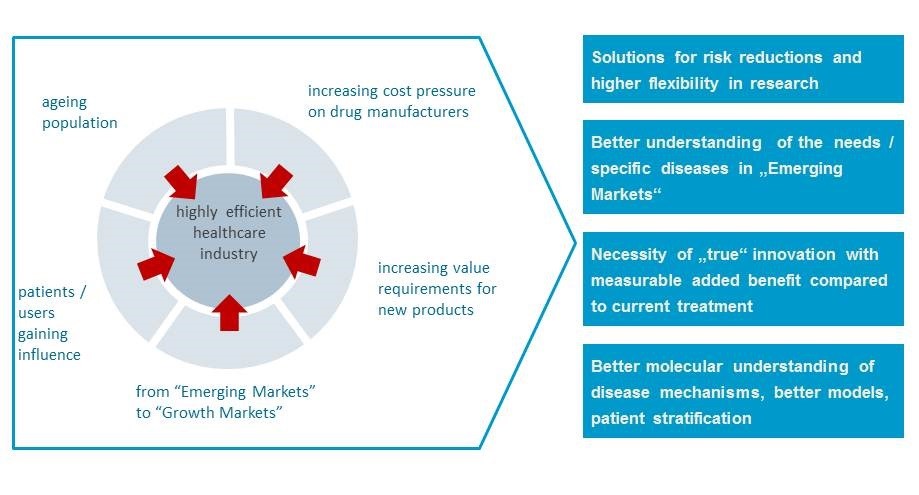
Figure 3: Large scale trends, challenges and opportunities in healthcare.
One of the main focus areas in most countries of healthcare and the healthcare system is the cost perspective. Seeing it as sustainability (i.e. to sustain a healthy population) or even for economic growth seems less important. This leads to pressure on prices and competition from generic products and a continuous look at cost reduction and at improving the efficiency of R&D processes. Companies have to prove the economic advantage of new medicines in comparison to the current standard of care in the pricing and reimbursement process.
This creates a conflict of interest as the healthcare system wants to provide affordable and efficient medicines for the patient, and the pharmaceutical companies need to have a market price for their medicine allowing them to obtain a ‘return on investment’ or profit.
New scientific developments are also offering a different perspective on the system. Better understanding of the genetic diversity of patients has produced the first positive examples for ‘stratified’ or ‘personalised’ medicine). This scientific progress has resulted in increasing requirements from regulators and patient groups.
This emerging environment in medicines development has already led to a change in the way pharmaceutical companies are pursuing R&D in collaboration and partnership with a variety of stakeholders.