New Understanding of Diseases
New Understanding of Diseases
This section provides an overview of the research areas that are driving personalised medicine forward. More detail on specific technologies (such as ‘omics’) is given elsewhere in this training programme.
Molecular Genetics
Current research is telling us a lot about diseases at the level of the cell and, even smaller, the molecule. One important area is the ‘signalling pathways’ of cells. These pathways allow chemical messengers to communicate with the cell, causing a response - they are essential for the normal functioning of cells. Problems in signalling pathways may lead to diseases. These discoveries have helped us to understand and classify diseases in a new way.
There is evidence that specific changes to genes (mutations) that affect signalling pathways can affect how a disease develops. Diseases with similar symptoms may be diagnosed as the same disease. However, they may be caused by different genetic changes or mutations.
An example of this is melanoma (skin cancer). Most, but not all, melanomas have a mutation in a gene known as ‘BRAF’. This mutation changes a signalling pathway in the melanoma cells, and this part of the pathway is ‘targeted’ by medicines called kinase inhibitors (for example, vemurafenib). For melanoma patients without the mutation, the same treatment can actually make the disease worse.
The opposite is also being found. Recent research has shown that a single molecular mechanism, such as a problem in a signalling pathway, can be the cause of different diseases. For example, cancers that arise in different parts of the body may have the same underlying cause.
Epigenetics
The growing area of epigenetics is helping us to understand variation in disease. Epigenetics is the study of how genes can be turned on or off, or modulated (turned up or down).
This happens without any changes to their DNA sequence, in other words, without a mutation.
Many cancers are linked to epigenetic changes that ‘silence’ certain genes (turn them off).
For example, one of the causes of prostate cancer seems likely to be the epigenetic silencing of a gene known as ‘GSTP1’.
In addition,
epigenetic changes may influence how a patient responds to treatment
. For example, the medicine temozolomide for glioblastoma (a kind of brain tumour) is only effective if a certain gene (‘
MGMT’) is silenced by epigenetic changes.
Epigenetic changes can occur in response to
environmental or lifestyle factors, such as UV light exposure, diet,
smoking or stress.
Ultimately, a personalised medicine would take
account of an individual’s epigenetics, which change over time.
‘If we compare the DNA sequence to notes in the score of a symphony, epigenetics refers to the nuances, the alterations,
or the rhythm that allows the conductor to understand how the score should be read.’
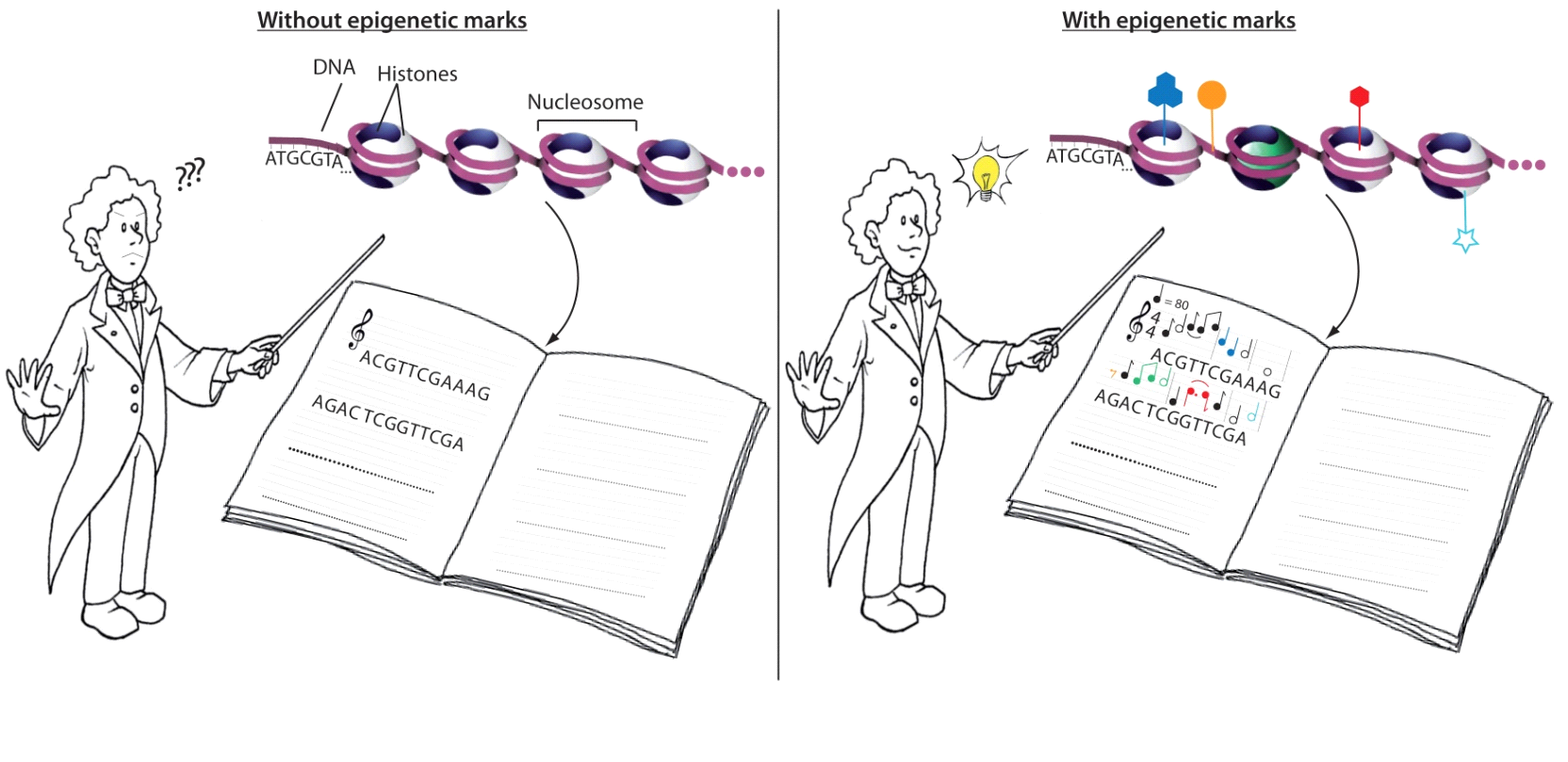
Figure 1. Chromosomes and epigenetics (Source: Institute Curie website)
Biomarkers and Medicines Development
Processes that happen at the level of cells and molecules can be measured using ‘biomarkers’. Some examples of biomarkers are:- Biological substances (‘biochemicals’), such as enzymes or hormones.
- Gene changes.
- Images from Magnetic Resonance Imaging (MRI).
For example, where diseases are known to be caused by specific
gene changes, it is possible to measure the effect of a new medicine by
looking for those genes, using them as biomarkers.
In order to create targeted treatments, the pharmaceutical
industry is increasingly using biomarkers in medicines development. This is expected to:
- improve outcomes for patients: doctors should be better able to choose medicines that work well for each individual, and that have a lower risk of serious side effects
- improve the efficiency of medicines development, making non-clinical and clinical trials more efficient, less time consuming and even safer.
Many early stage exploratory trials (Phase I) also use biomarkers. Some biomarkers are considered suitable for use in place of clinical endpoints (surrogate endpoints) in late stage trials. The area of biomarkers is covered in detail elsewhere in this course.
Pharmacogenetics or Pharmacogenomics
One type of biomarker that is becoming widely used is an individual’s genetic or genomic information. The study of how genetics and genomics affect an individual’s response to a treatment is known as pharmacogenetics and pharmacogenomics. An individuals or groups’ genetic make up will then be used to tailor the treatment.
A number of medicines on the market today require the patient to have a genetic test before the medicine is prescribed. This is to ensure the treatment is safe for the individual patient. For example:- HIV patients must be tested for a genetic variation (‘genotype’) known as ‘HLA B*5701’ before the medicine abacavir is prescribed.
- The HLA B*5701 genotype is associated with an adverse reaction to this medicine.
In addition, the information provided with some other medicines on the market advises doctors how to use a patient’s genomics information when they prescribe the medicine. Genomics information can help
decide if that medicine is the best option for that patient, and can help decide on the best dose.
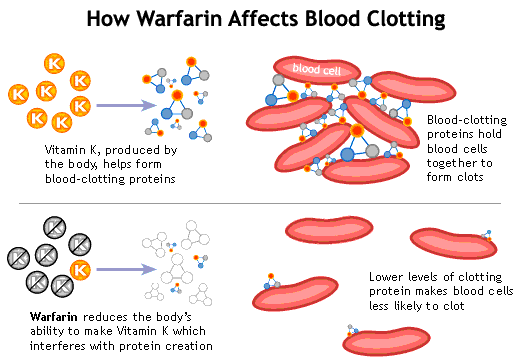
- Warfarin is used to prevent abnormal blood clotting.
- Getting the dose right is important. The patient must receive enough medicine to prevent abnormal clotting, but not so much that they are at risk from bleeding.
- Each patient’s blood is monitored when they are treated to ensure the correct level of warfarin has been given.
- Guidelines are now available for using pharmacogenetic tests for certain enzymes (known as ‘CYP2C9’ and ‘VKORC1’), to help determine the best starting dose for any individual patient.
Biobanks
Studies that use biobanks are especially important for the development of personalised medicine. Biobanks are therefore increasingly used in clinical trials for new medicines.
Biobanks are basically large organised sets of biological samples (blood, urine and/or tissue) donated by patients and healthy volunteers. They also include carefully collected data on the donors’ clinical condition, lifestyle (diet, smoking, etc.) and other factors.
Biobanks allow the cells and molecules of large numbers of samples to be studied, and for this information to be linked with clinical and other data. Combining information in this way is helping us understand why individuals vary:
- in which diseases they develop
- in how severe their diseases are, and
- in how they respond to treatment.
The more samples available, the more effective such studies can be. Biobanks are being set up in many countries. ‘EuroBioBank’ is an example of biobanks from different countries being linked, in order to make even more data available for research (in this case, into rare diseases).
The UK Biobank describes its work in this short video:
This second video describes the UK Biobank’s genetic research: